

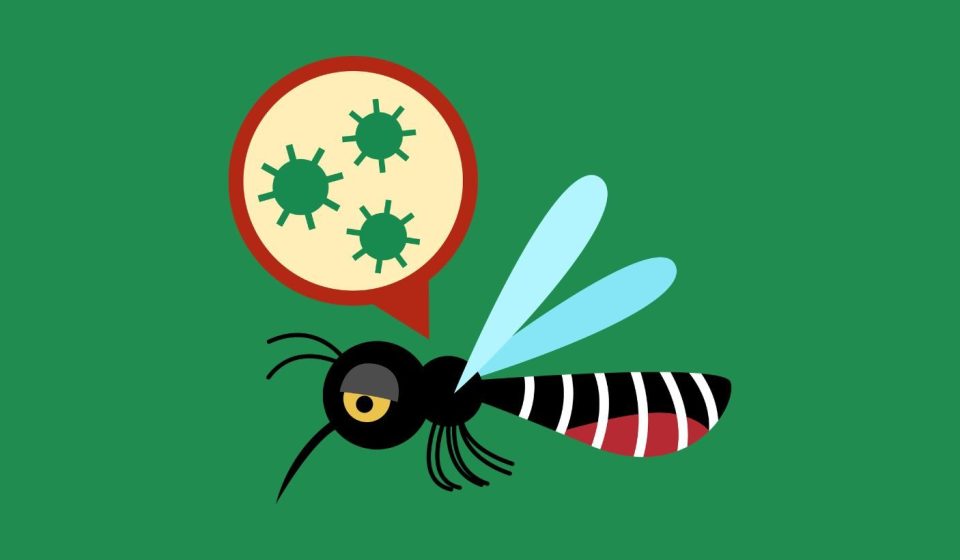
Zika: Surveillance continues despite the decline of the virus, with no vaccine or specific treatment.

The Zika virus is still circulating in several regions of the world, although cases remain relatively few in mainland France. Most often asymptomatic or causing only mild symptoms, it can nevertheless lead to serious neurological complications and pose a particular risk during pregnancy. In the absence of a vaccine and specific antiviral treatment, preventing mosquito bites and remaining vigilant after traveling to an area where the virus is circulating remain essential.
What we know about the Zika virus
Zika is a viral infection transmitted primarily by mosquitoes of the Aedes genus, including the tiger mosquito. Sexual transmission is also possible. An infected person can, in turn, transmit the virus to mosquitoes for a few days around the onset of infection.
The major epidemic of 2015-2016 particularly affected South America and the Caribbean. Since then, the virus has circulated more limitedly, but it persists in certain regions of Latin America, Africa, and Asia-Pacific. According to the Inserm report published on September 18, 2026, 18 imported cases were recorded in mainland France in 2025, following stays in several countries. « Imported » means that the infection occurred during travel abroad; this figure does not indicate local transmission.
The tiger mosquito is established in many French departments, but its presence does not necessarily mean that the virus is circulating there. The Inserm report indicates that three locally acquired cases were reported in mainland France in 2019 and none since. This data describes the situation reported for the years mentioned and does not predict future developments.
What the data shows
More than half of infected individuals experience no symptoms. When symptoms do appear, they usually occur within days of infection: rash, often mild fever, red eyes, fatigue, joint or muscle pain, and headache. These signs resemble those of other mosquito-borne infections, including dengue and chikungunya. Only laboratory testing can confirm the diagnosis.
Most symptomatic cases remain mild and resolve spontaneously. More rarely, the infection is associated with Guillain-Barré syndrome, a neurological disorder that can lead to muscle weakness or paralysis. During pregnancy, the virus can be transmitted to the fetus and disrupt brain development. The risk also extends to infections without apparent symptoms in the mother.
The World Health Organization confirms that there is currently no preventive vaccine or specific treatment for Zika. Therefore, care focuses on relieving symptoms; hospitalization may be necessary in case of complications.
What this means in practical terms
People traveling to an area where the virus is circulating can reduce their risk of infection by protecting themselves from mosquitoes, which bite mainly during the day: wearing long-sleeved clothing, using mosquito nets, and applying repellents according to the instructions. Eliminating standing water around your home also helps limit mosquito breeding grounds.
Pregnant women or those planning a pregnancy are particularly at risk. The Ministry of Health recommends considering postponing travel to an area where Zika is circulating, or seeking advice from a healthcare professional before departure. Since sexual transmission is possible, protected sex should be used after expo to the virus, according to the recommendations applicable to the situation. A pregnant person who has stayed in an affected area, or whose partner has been exposed there, should seek medical advice, even if they are not experiencing symptoms.
After a trip to a high-risk area, the appearance of consistent symptoms warrants contacting a doctor and mentioning the travel. Since the symptoms can resemble those of other infections, it is best not to assume you have Zika yourself.
Limits to be aware of
The number of detected cases depends on surveillance and testing; it does not necessarily represent all infections, particularly because many go undetected. Similarly, the presence of the tiger mosquito is not sufficient to establish local transmission of the virus. The data presented here do not constitute an epidemic alert.
The medical information in this article has been cross-checked with the Inserm dossier, the World Health Organization fact sheet, and the recommendations of the Ministry of Health. This article provides general information: it does not constitute a medical diagnosis or a personalized prescription.
Source: Dossiers – Inserm
Additional institutional sources: World Health Organization – Zika virus disease ; Ministry of Health – Zika virus .
Original article: See the original source