

The Seznec Case: A 15th Petition for Review Filed, a Century After the Events in Brittany

In Morlaix, in the Finistère department, a new petition to review Guillaume Seznec’s conviction was filed on September 7, 2026. Described as the fifteenth such petition, it was filed by two of his grandsons and their attorney, Denis Langlois. The petition does not mean that the conviction has been overturned: the relevant commission has yet to review it.
A Request Based on Family Testimony
According to information published by 20 Minutes on October 1, 2026, the request was filed with the commission responsible for reviewing appeals. Denis Langlois represents Jean-Yves and Gabriel Seznec, grandsons of Guillaume Seznec.
The key piece of evidence cited is a testimony attributed to “Petit-Guillaume,” one of Guillaume Seznec’s sons, who died in 1981. He reportedly confided to three close relatives that, as a child, he had witnessed the death of Pierre Quéméneur at the family home in Morlaix in May 1923. According to this account, Marie-Jeanne Seznec, Guillaume’s wife, allegedly caused his death accidentally while he was making advances toward her. This account is reported by the plaintiffs; it does not, on its own, constitute a legal conclusion.
Historian Michel Pierre, quoted by 20 Minutes, disputes this hypothesis and considers it far-fetched. He believes that the investigative file strongly incriminates Guillaume Seznec. The new petition therefore does not establish that the events unfolded as described in this testimony.
A Case That Began in Brittany in 1923
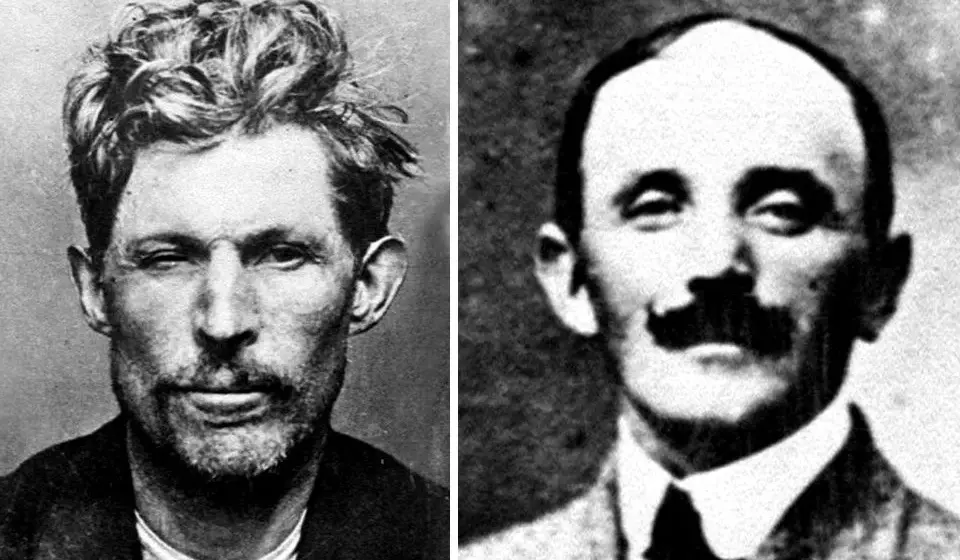
Pierre Quéméneur, a member of the Finistère General Council, disappeared after setting out on a trip with Guillaume Seznec, a merchant based in Morlaix. Seznec claimed to have left him at the Dreux train station. Quéméneur’s body was never found.
In 1924, the Finistère Assize Court sentenced Guillaume Seznec to life imprisonment with hard labor for the murder of his traveling companion. He always denied killing him. Pardoned in 1946, he returned to France in 1947 and died in 1954. Several requests for a retrial have been rejected over the decades.
What the Procedure Changes—and What It Does Not Change
Filing the petition does not automatically reopen the trial or alter the sentence. The commission must first determine whether the petition meets the legal requirements. The Court of Cassation specifies that a review may be initiated when a new fact or a previously unknown element is likely to establish innocence or cast doubt on guilt. The review procedure as explained by the Court of Cassation.
As of October 1, 2026, no decision on this fifteenth petition has been reported in the available information. For the residents of Morlaix and Finistère, this therefore represents a new legal and historical development surrounding an old Breton case, with no immediate consequences announced locally.
Source: 20Minutes – Actu Rennes
Original article: View the original source