

Specialty coffee puts the origin of the bean and the know-how back at the heart of the cup.

Specialty coffee highlights what the morning cup often overlooks: the origin of the bean, the producer’s work, the processing methods, and the roaster’s choices. This evolution also transforms the vocabulary of coffee, without requiring you to equip yourself like a barista to prepare it better at home.
An agricultural product before it is a beverage
Coffee has long been chosen primarily based on brand, intensity, or blend. In this approach, the producer, the farm, and the bean variety remained largely invisible. Specialty coffee shifts the focus to these origins and the processes that shape the flavor.
Thomas Wyngaard, founder of OK Coffee Tips, explains that the growing environment and production methods influence the characteristics of coffee. Descriptions can therefore specify the country, region, farm, variety, altitude, or harvest. The bean is no longer simply presented as a uniform product: it is linked to a place and to agricultural work.
Traceability also sheds light on the price
Sourcing involves selecting coffees based on factors such as their origin, quality, and aromatic profile, as well as their production and marketing. This approach makes the first link in the supply chain—those who grow the coffee—more visible.
It also helps to understand what justifies the price of a batch. Selective harvesting, picking ripe cherries, sorting, and post-harvest operations all require time and expertise. Therefore, the price reflects not only the packaging or the place where the coffee is served, but also the steps that precede its arrival in the cup.
Methods that modify the aromatic profile
After harvesting, the beans must be extracted from the cherries, processed, and then dried. The choices made at this stage influence the result. For natural coffee, the bean dries with the surrounding fruit before being separated; this method can enhance fruity notes. In the washed process, the pulp is removed before subsequent steps, which can result in a cleaner expression.
There are also different fermentation methods and techniques, including controlled or anaerobic fermentation and carbonic maceration. By manipulating certain parameters after harvesting, producers can influence the flavor profile. Descriptions of a coffee might then evoke fruit, flowers, citrus, chocolate, acidity, or sweetness. These terms refer to perceived aromas; they do not mean that these ingredients were added to the coffee.
Roasting, a step adapted to each bean
Benjamin Brassart, world roasting champion and founder of Boo Roasters Coffee, receives beans that are still green. Roasting transforms them into crumbly, edible beans, while developing their aromas.
According to him, there is no one-size-fits-all recipe. The roaster adjusts their work to the origin, density, and processing of the bean, as well as the desired profile. A darker roast can accentuate the toasty notes and bitterness; other choices aim to better preserve the coffee’s unique characteristics. The challenge is to reveal the bean without erasing the work done beforehand.
A few tips for better coffee preparation
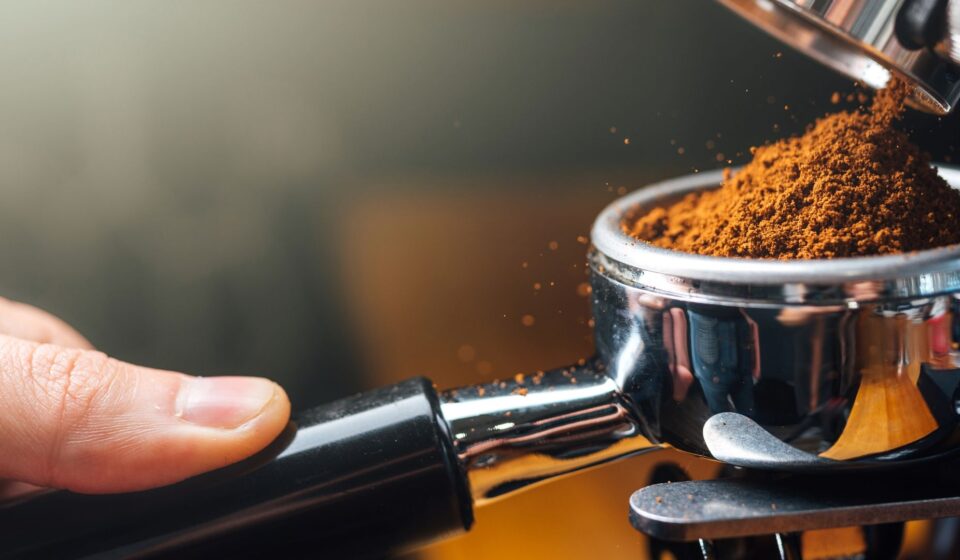
To improve the results at home, Benjamin Brassart advises paying attention to the quality and freshness of the coffee. Buying whole beans and grinding them just before brewing helps to better preserve their aromatic qualities. The grind should also be adapted to the chosen method: espresso and filter coffee are not prepared in the same way.
The water, its temperature, the water-to-coffee ratio, and the extraction time all matter. A scale can help reproduce a favorite brew without having to turn your kitchen into a laboratory. Behind a cup prepared in minutes lies a series of choices, from the field to the roasting, that gives specialty coffee its unique character.
Source: – Cuisine (www.rtbf.be)
Original article: See the original source