
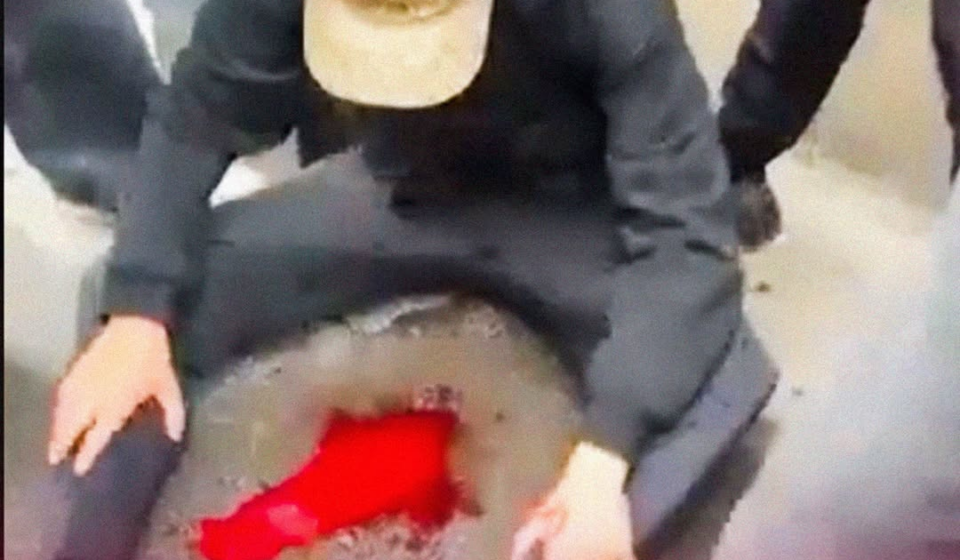

A high school student was hit in the eye by a flash-ball round. Enough is enough.
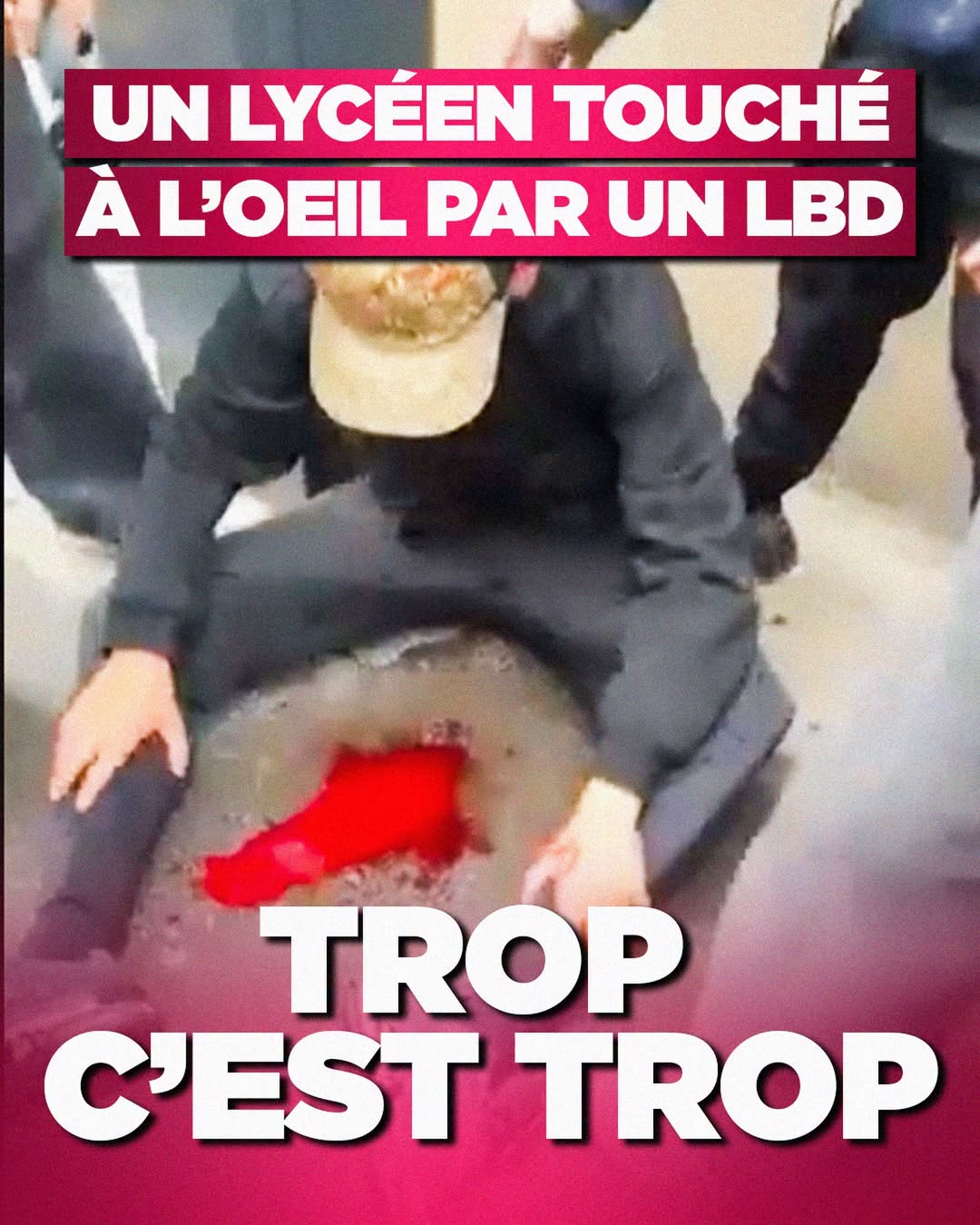
Louis Boyard claims that a high school student was hit in the eye by a shot from a flash-ball launcher. This serious accusation, published on September 30, 2026, has not been substantiated by the available evidence. The issue is twofold: to understand what happened to this young man and to determine whether the rules for using the weapon were followed.
The main fact
The Val-de-Marne MP denounces an eye injury which he attributes to a flash-ball shot. His message does not specify the location or date of the alleged shooting, nor the identity of the high school student. No medical documents or investigative evidence accompany the transmitted text. It is therefore necessary to distinguish between an alert raised by an elected official and a confirmation of the facts he reports. Louis Boyard’s status as an MP is confirmed by the National Assembly.
What happened
The only certain date in this case is that of the message’s publication: September 30, 2026. At this stage, the available information does not allow us to reconstruct the alleged shooting, identify the perpetrator, or establish the exact nature of the injury. Being « hit in the eye » is not, in itself, sufficient to conclude that there has been a loss of sight.
Another high school student was indeed injured in the face on September 28th in front of a school in Saint-Ouen-l’Aumône, in the Val-d’Oise department. According to statements from the Pontoise prosecutor reported by Actu17, he had broken teeth after being shot with a Cougar launcher; the IGPN (General Inspectorate of the National Police) has been notified. There is no evidence to suggest that this is the same young man mentioned by Louis Boyard. To conflate the two cases would be to transform a coincidence of timing into proof.
The context
The LBD (less-lethal defense weapon) is subject to precautions for use. Instructions published by the gendarmerie stipulate that the shooter should preferably aim at the torso or limbs and that the head should not be targeted. They also require that, when circumstances permit, consideration be given to a person’s obvious vulnerability, particularly related to their age. However, a head injury alone does not demonstrate where the shooter aimed or under what conditions the shot was fired.
The debate goes beyond this single message. In a 2017 report, the Defender of Rights recommended banning the use of LBDs (less-lethal defense launchers) in law enforcement operations, due to the risk of serious injury. This is a recommendation , not proof of an existing ban nor a conclusion regarding the case reported by Louis Boyard.
What the facts show
The reported injury calls for precise verification: where and when did the shooting occur? What weapon was used? What did the doctors observe? Are there any images or an investigation? Until these answers are available, the alert cannot be dismissed, nor can any fault be attributed to an officer.
Key takeaways
Louis Boyard’s message highlights the risks associated with LBD (less-lethal defense weapon) shots fired at face level. However, it is insufficient to establish the circumstances of the injury he mentions. Outrage can spark debate; it does not replace an investigation.
Source: Louis Boyard – Member of Parliament for Val-de-Marne