

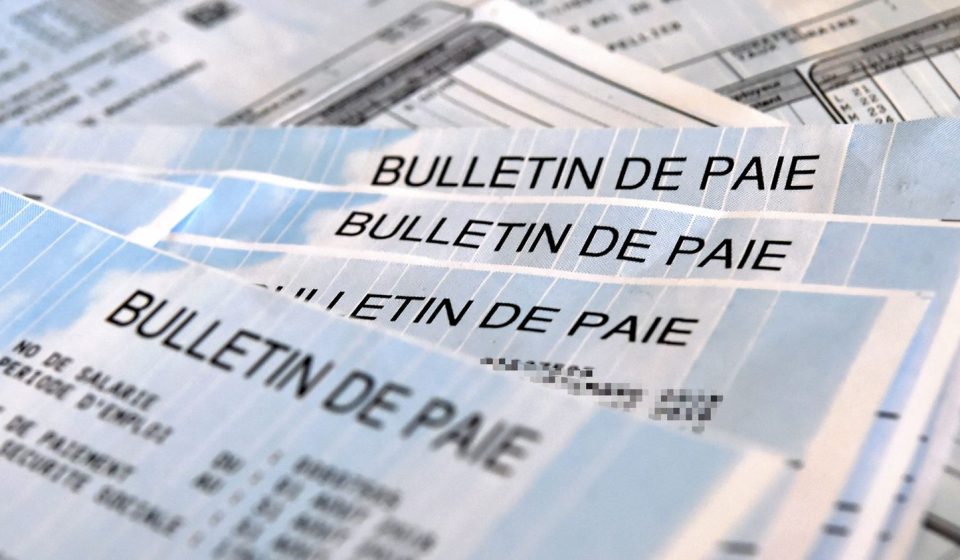

Presented as a step towards better identifying pay gaps, the draft law on salary transparency is intended to apply to both the private and public sectors. At the CFDT’s back-to-school meeting, public sector employees welcomed the principle, while expressing concern that its implementation would be delayed in their sector.
Compare salaries for work of equal value
The Minister of Labour, Jean-Pierre Farandou, announced that the text would be presented to the Council of Ministers on September 9, 2026. It transposes a European directive and provides that employees, including civil servants, can know the average remuneration of colleagues performing work of equal value.
The plan also includes financial penalties for significant and unjustified pay gaps between women and men. Employees interviewed at the CFDT’s back-to-work meeting believe that the civil service is not immune to pay inequality.
Inequalities also exist in public services
Eve, who represents the hospital sector within the CFDT union, says she regularly hears that equal pay has already been achieved in the civil service. She disputes this idea and believes it is necessary to combat this stereotype.
Laetitia, a modern literature teacher, reports having noticed that she earns less than her male colleagues. She points specifically to overtime and certain assignments, which, in her opinion, can give men an unfair advantage. She links this situation to the fact that women remain more burdened by domestic tasks.
The fear of a delayed application
While the interviewed officials welcomed the principle of transparency, Hubert was concerned about the timeline. He feared that the reform would be implemented more quickly in the private sector than in the public sector. « It should have been put in place at least twenty years ago, » he said, worried that its implementation in the civil service would take even longer.
The general secretary of the CFDT union, Marylise Léon, indicated that she would en the text was enshrined in law. However, the parliamentary calendar is expected to be busy in the run-up to the presidential election, according to reports from franceinfo. The bill was scheduled to be presented to the Council of Ministers on September 9th; the information available here does not specify what happened after this presentation.
Source: franceinfo – Wage disparities (www.franceinfo.fr)
Original article: See the original source