In Gaya, a farmer and a herder join forces to protect the fields from damage caused by livestock

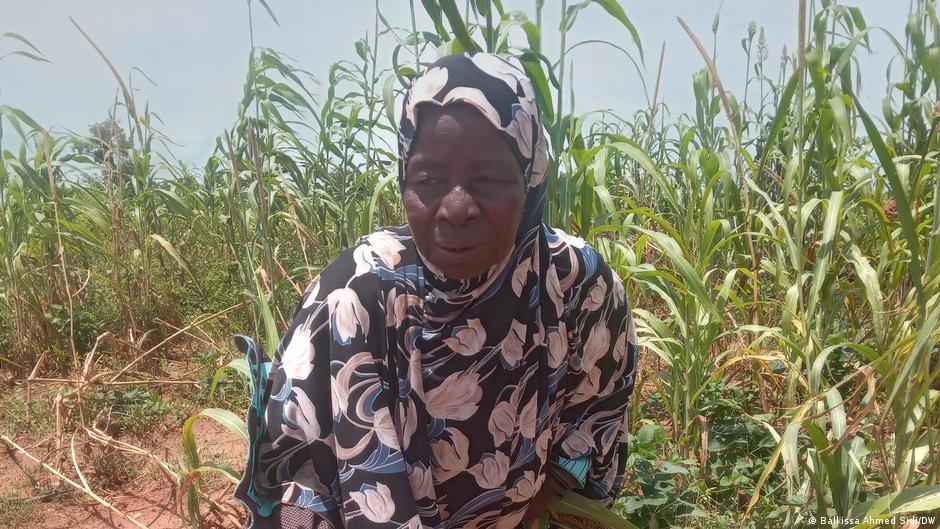
In Lonkon Goma, near Gaya, in Niger, Mai Zabbi supports other women farmers and has formed a partnership with a herder to protect crops from livestock damage. This local organization is based on cooperation and dialogue between farmers and herders.
From Land Insecurity to Mutual Aid
Mai Zabbi, whose real name is Amina Tankari, is 70 years old. Since her husband’s death more than 25 years ago, she has been growing millet, sorghum, peanuts, and beans, among other crops. Her field is located in Lonkon Goma, three kilometers from Gaya, in southwestern Niger.
Before acquiring her own plot, she rented land that the owners could take back at any time—sometimes even while the crops were still growing. She finally bought a field and continues to work it despite the challenges, including snakes and scorpions encountered while weeding and damage caused by animals.
Her experience has led her to help other women in the village. Matta, 65, says that Mai Zabbi encouraged her after animals destroyed her field. This year, she was able to plant peanuts on a portion of the plot lent to her by her elder.
An Agreement with a Herder
To limit damage to the fields and prevent tensions, Mai Zabbi works with Garba Maman. A herder for fifty years and owner of more than a hundred head of cattle, he watches over his own plot as well as those of other women.
Garba Maman believes that incidents can occur when herds are entrusted to young herders who do not fully grasp the consequences of their livestock grazing in the crops. A damaged crop can anger the field’s owner and escalate into an argument if no one steps in to defuse the situation. According to him, maintaining good relations with the women farmers helps prevent these confrontations.
Preventing Damage Through Dialogue
Mai Zabbi and Garba Maman each raise awareness among members of their communities. They encourage farmers to weed their fields and mark their plots with fences. Mai Zabbi points out that poorly maintained or inadequately marked fields are more likely to be crossed by animals.
In Lonkon Goma, this approach combines crop protection, mutual support among women farmers, and dialogue with herders. Mai Zabbi continues to cultivate her field and makes part of it available to other women, while promoting practices designed to prevent conflicts.
Source: DW-WORLD’s French Homepage (www.dw.com)
Original article: View the original source