

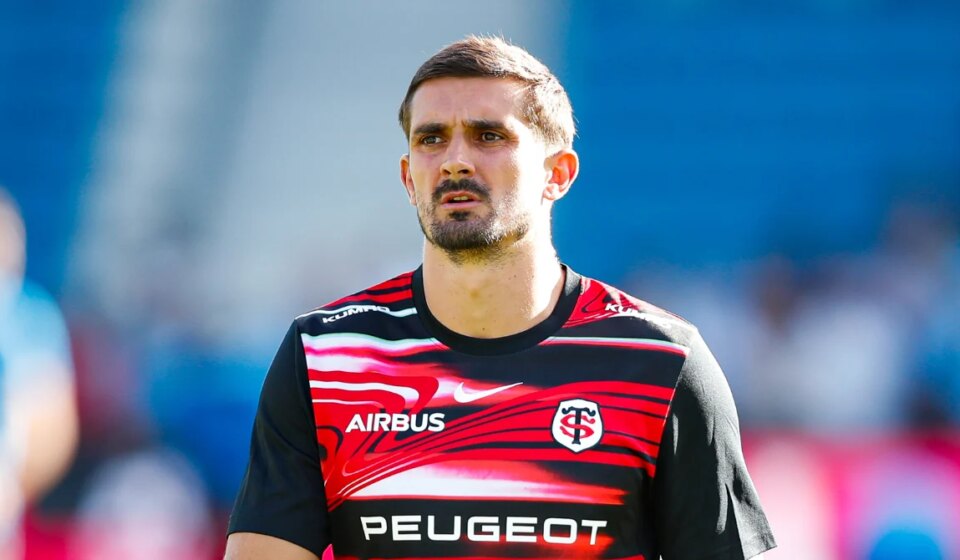

The departure of Thomas Ramos to Racing 92, planned for the end of the 2026-2027 season, reignites the debate on the timing of transfer announcements in the Top 14. The National Rugby League (LNR) plans to discuss it with the clubs, but no changes to the regulations have been announced at this stage.
Key takeaways
Stade Toulousain confirmed on August 4th that their fullback would be joining Racing 92 after the current season. The LNR’s general manager, Emmanuel Eschalier, believes that transfers announced too early can damage the league’s image and warrant discussion with the clubs. The discussion concerns the timing of preliminary agreements being finalized and made public: this is a matter of consideration, not a decision already made.
The facts
Thomas Ramos’ transfer will only take effect at the end of his contract with Toulouse in 2027. Racing 92 announced his signing for three seasons, from July 2027 to June 2030, and the Toulouse club confirmed the French international’s departure at the end of the 2026-2027 season. ( racing92.fr )
In comments reported by Le Figaro , Emmanuel Eschalier distinguishes between two issues: the early stages of agreements between players and clubs, and the date on which these transfers are announced. The LNR (National Rugby League) had already attempted to regulate the announcements, but, according to him, the system only lasted a year and was circumvented by rumors spread particularly by agents.
The league president considers the announcements made at the start of the season unsatisfactory, both in terms of sporting fairness and the image of the Top 14. He therefore wants the matter to be examined with the clubs and stakeholders in professional rugby. To date, however, the League has announced neither a new rule nor an implementation schedule.
A debate that goes beyond the Ramos case
The announced departure of Ramos illustrates a broader phenomenon: players can have their future at another club made public while they still have to defend the colors of their current team. This can fuel discussions about their sporting situation and the management of the dressing room, but it doesn’t, on its own, allow us to conclude that it has a concrete effect on results.
For the LNR, the challenge is to find a balance between allowing players and clubs the freedom to prepare for the future, and preserving the integrity of the league. Any changes will depend on future discussions: the announced discussions do not mean that a reform has already been decided.
Source: Rugby – Sports.fr
Original article: See the original source