

In New Caledonia, the provincial elections announced on June 27, 2026, by franceinfo took place on Sunday, June 28. The election renewed the provincial assemblies of the South, North, and Loyalty Islands, as well as a portion of the seats in Congress. It took place two years after the May 2024 riots, which left 14 people dead according to official figures and caused more than two billion euros in damage.
An election held amid a climate marked by the riots
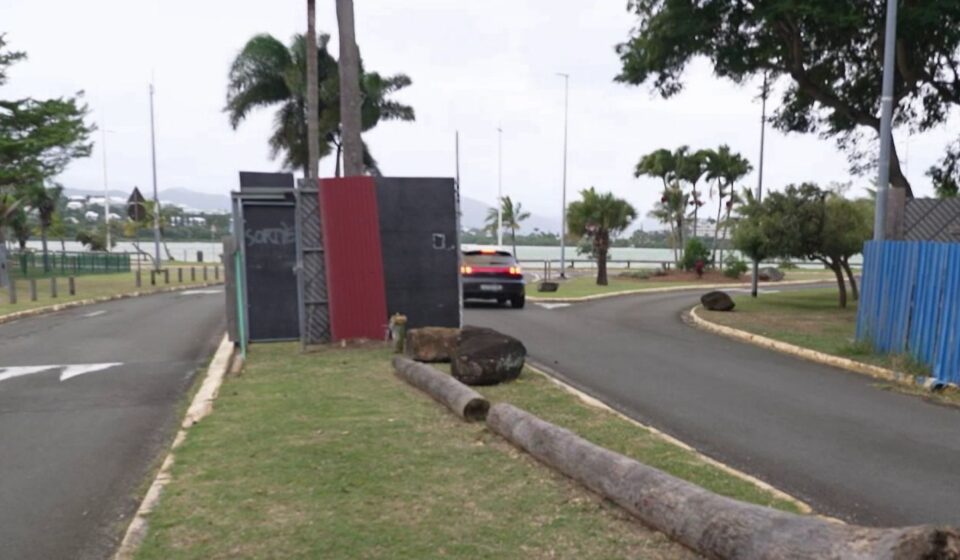
A franceinfo report, aired the day before the vote, described lingering tensions in the Eau Vive neighborhood of Nouméa, in the South Province. Residents spoke of mistrust between independence supporters and those in favor of remaining part of France, as well as closed businesses and the departure of a doctor following the violence of 2024.
These accounts reflected the situation observed at the time of the report. They do not, on their own, allow for an assessment of the current state of security or services in the neighborhood. As for the election, it is no longer pending: voters cast their ballots on June 28, and the High Commission published the final results the very next day.
The results have shifted the political balance
According to the official results and their analysis by the local press, the list uniting Les Loyalistes and Le Rassemblement won 24 of the 54 seats in Congress. It therefore does not, on its own, hold an absolute majority. In the South Province, the slate led by Sonia Backès won 28 out of 40 seats. The UC-FLNKS made gains in several districts, while L’Éveil océanien retained a position that could influence the formation of majorities.
Voter turnout in the South Province stood at 63.71%, its lowest level since provincial elections were first held in 1999, according to Les Nouvelles calédoniennes. This figure applies specifically to the Southern Province and should not be confused with the turnout rate for New Caledonia as a whole.
What This Means for Residents
Provincial assemblies make decisions that affect daily life and the areas of jurisdiction for each province. The Congress, for its part, passes legislation applicable throughout New Caledonia and participates in the appointment of the collegial government. The results therefore determine the elected officials entrusted with these responsibilities and the balance of power required to govern.
The election does not erase the consequences of the violence or the disagreements over the territory’s institutional future. The election results indicate a political balance of power; they are not enough to gauge the evolution of trust among residents or to determine whether the neighborhoods mentioned in the report have regained their shops or services.
What Remains to Be Seen
The elections have clarified the composition of the institutions, but forming majorities in Congress requires alliances. Nor do the results allow us to conclude that the “sense of community” mentioned in the report has returned. As of the publication date of this article, the information verified here pertains to the election and its results; no recent developments in the situation in the Eau Vive neighborhood have been confirmed by the sources consulted.
Source: franceinfo – Status of New Caledonia
Original article: View the original source